





Pool water disinfection

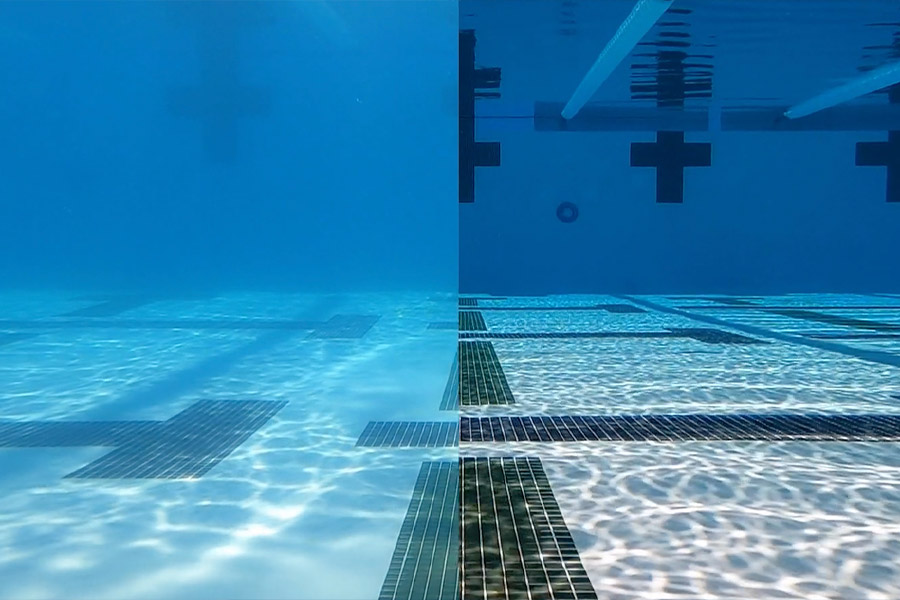
ضDisinfection of pool water is one of the most important measures to maintain the health of swimmers and prevent the spread of infectious diseases. This process prevents the transmission of skin, digestive, respiratory and eye diseases by destroying pathogenic microorganisms.. Pools that are not disinfected regularly and properly are They become a suitable environment for the growth of various microbes, endangering the health of users.
The importance of disinfecting pool water
In humid environments like swimming pools, bacteria, viruses, fungi, and other microorganisms thrive. These agents can enter the body through the skin, eyes, ears, or unintentionally swallowing water, causing problems such as skin infections, eye swelling, earaches, diarrhea, and vomiting.
Proper pool disinfection is not only essential for the health of users, but it is even more important in public pools and spas due to the large number of people and shared contact with the water. Therefore, constant monitoring of water quality, including disinfectant levels, pH and alkalinity, is a requirement of standard pool maintenance.
Methods for disinfecting swimming pool water
- 1. Chlorination
Chlorine is the most widely used chemical for disinfecting swimming pool water. It can destroy bacteria and viruses by oxidizing their cellular structure. Chlorine is available in various forms, including liquid (sodium hypochlorite), gas, or tablets and powder, and the appropriate type is selected depending on the needs of the pool and the equipment available.
- Advantages:
- Rapid effect on microorganisms
Cheap and accessible
Easy control with simple test kits
- Disadvantages
- May produce an unpleasant odor
Possible eye and skin irritation
Effectiveness is reduced if pH is not controlled
2. ozone (O₃)
Ozone is a highly oxidizing gas that kills bacteria and viruses by breaking down their cell walls. It must be injected into the pool’s water circulation system and removed using an activated carbon filter before the water is returned to the pool to ensure no residue is left in the water.
benefits:
- High disinfection power
No harmful by-products
Reduces consumption of chlorine and other chemicals
- Disadvantages:
- Requires advanced and expensive equipment
Requires technical and specialized care
Its effect is instantaneous and does not remain in the water
3. UV rays (UV)
In this method, water passes through a device that contains UV-C lamps. This radiation destroys the DNA of microbes and inactivates them. Unlike chlorine, UV does not add any substances to the water and has no chemical effect.
benefits:
- No odor or skin irritation
Effective disinfection without chemicals
Suitable for sensitive environments
Disadvantages:
- The need for special equipment and the cost of not leaving a residual effect in the water must be accompanied by supplementary systems such as chlorine.
4. Ionization
In this method, metal ions such as copper and silver are injected into the water, which have antibacterial properties. These ions prevent the growth of bacteria and algae in the pool water. This technology is mostly used as a supplement to chlorine or ozone.
benefits:
- Reduces the use of chemicals
Effectively controls algae growth
No unpleasant odors or skin irritations
- Disadvantages:
- Slower effectiveness than other methods
High maintenance cost
Needs to be combined with other methods for complete disinfection
Important parameters in controlling pool water quality
To maintain the health and proper performance of disinfectants, the following parameters should be regularly checked:
Free chlorine level: 1 to 3 ppm
pH: 7.2 until 7.8 (How to evaluate the effectiveness of chlorine and prevent skin irritation)
Total alkalinity: 80 until 120 ppm
water temperature: About 25 to 28 degrees Celsius for regular pools
There are test kits that can easily measure these parameters in the pool environment and indicate the need for adjustment. Failure to accurately control these values reduces the effectiveness of disinfectants and increases the likelihood of disease outbreaks.
Combined disinfection devices
Some new systems combine two or more disinfection methods at the same time. For example, there are devices that use UV-C light and ozone together to completely purify pool water. In these devices, air is drawn into the UV lamps by a venturi system, ozone molecules are produced, and they are finally mixed with the water flow. The excess ozone is then neutralized by an activated carbon filter, and the water enters the pool safe and sound.
These devices are especially recommended in public pools and spas with high traffic, as they are not only highly effective but also greatly reduce chlorine usage.
Common infections caused by contaminated pool water
If proper disinfection is not carried out, the risk of the following diseases in swimming pools increases:
Skin infection: causing sensitivity, itching, and inflammation
Eye infection: conjunctivitis or redness and burning of the eyes
Ear infections: especially the middle ear, which can damage the eardrum if contaminated water enters.
Respiratory problems: including shortness of breath or viral infections
Digestive disorders: diarrhea, vomiting, and abdominal pain from swallowing contaminated water
Children, the elderly, and people with weakened immune systems are more at risk than others.
Disinfecting swimming pool water is essential not only for the beauty and clarity of the water, but also to ensure the health of swimmers. Choosing the right disinfection method depends on your budget, the type of pool (indoor or outdoor), the number of users, and the equipment available. In many cases, a combination of two or more methods can provide the best results.
Ultimately, following the principles of maintenance and continuous monitoring of water quality will prevent serious problems and provide a safe and enjoyable swimming experience.